Should I change an article’s date every year for SEO?
Review existing content before creating another article. If two pages answer the same question in the same way, consolidation may help more than a third variation.
What to do step by step
- Define the question and your own contribution.
- Add supportable evidence, experience or a practical method.
- Review headings, sources and relevant links.
- Decide the purpose of archives and tags.
- Change update dates when substance actually changes.
A practical example
A canonical guide shows the incorrect declaration, appropriate target and post-deployment test. The reader can apply it without guessing the missing steps.
A common mistake
Rephrasing someone else’s article does not create original evidence. Do not invent an expert author or use a new date to disguise unchanged material.
Try the report before checking your site.
Explore the sample report, then enter your own URL to see findings, HTML evidence and a repair plan for your page.
Run your audit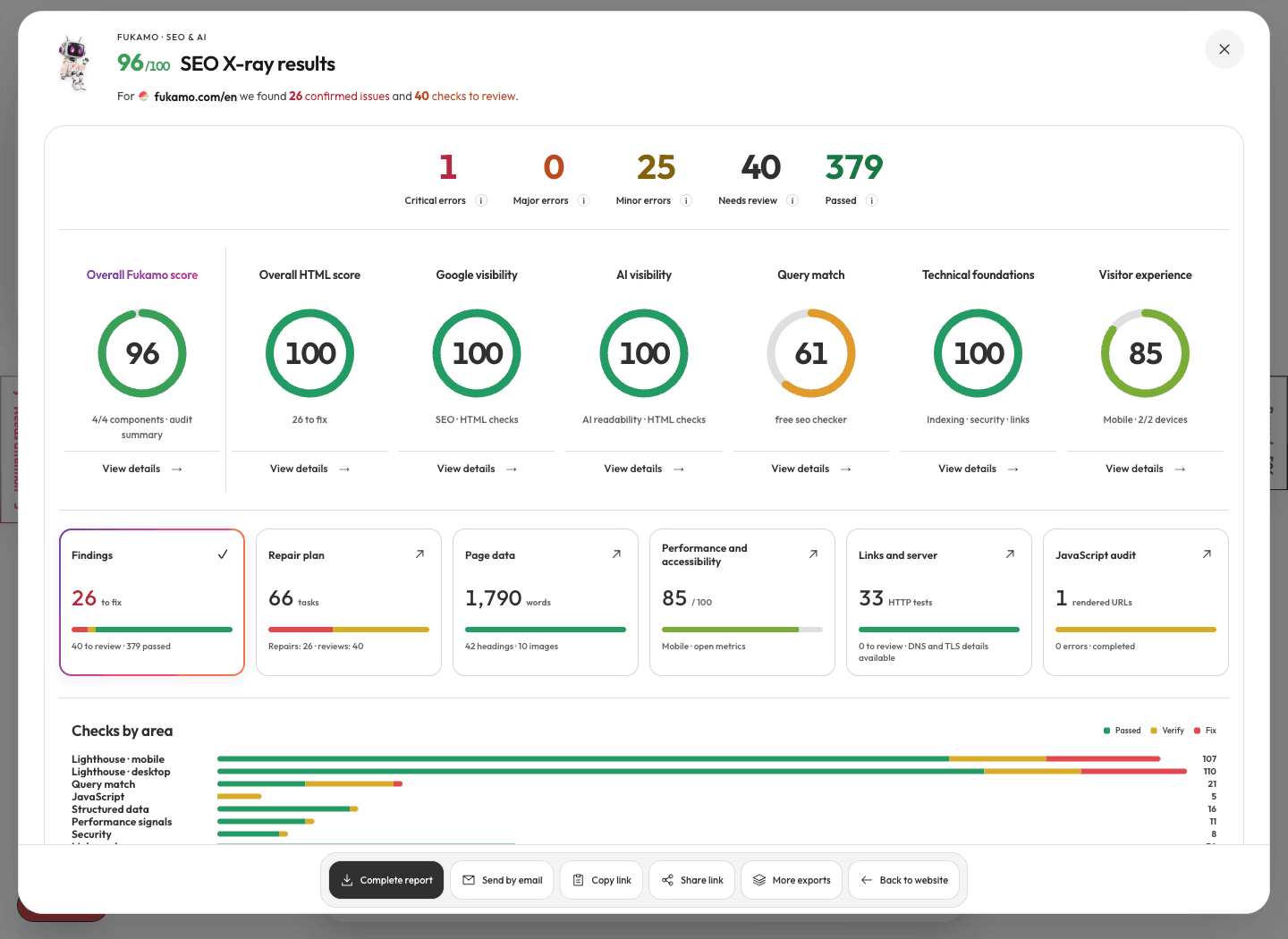
Which reader question should a blog article answer?
An irrigation guide should help readers choose or perform something. The answer determines length; Google explicitly rejects a preferred word-count target.
- State the reader’s starting situation.
- Identify the decision or procedure being explained.
- Add the missing condition rather than a longer generic introduction.
Where sources and examples belong in an article
Keep sources, examples and conditions beside the steps they explain. Readers should distinguish a documented fact from the author’s interpretation.
- Use a concrete example with explicit assumptions.
- Give comparison tables meaningful headers.
- Describe what an illustration actually shows.
When to link related articles or combine them
A selection guide and maintenance procedure have different jobs. Three articles repeating the same advice may be better served by one stronger answer.
- Review existing coverage before adding another URL.
- Link the next useful task with descriptive text.
- Preserve relevant old destinations during consolidation.
What makes a blog update useful?
A meaningful review checks procedures, sources and changed products. Replacing the year does not make an unchanged article more useful.
- Keep authorship and experience truthful.
- Correct unsupported numbers or outdated instructions.
- Review related articles for the same obsolete claim.
How to verify the result
After revision, check heading structure and internal linking from related articles. Ask a reader to complete the task using the instructions; preserve sources for claims that influence the conclusion.
Primary documentation developers.google.com ↗
Frequently asked questions
Should I change an article’s date every year for SEO?
Change the date when you make a real content update. Verify procedures, broken sources, and obsolete examples. Preserve useful historical context and explain substantive changes. Replacing the year in a title does not add the answer a reader needs.
When the task is complete
The new date corresponds to actual improvements and a current procedure. Related articles answer distinct questions rather than rewriting one answer across many URLs.
Related SEO guides
Check a specific page.
Fukamo shows findings, evidence and the next step.
679 rules + SEO, AI readability, performance and accessibility measurements for free.